
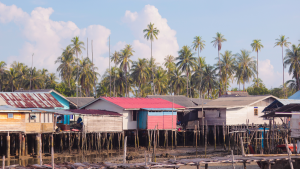
Across the world, UNESCO Global Geoparks are living spaces where nature and people coexist. Among the most important custodians of these areas are local and indigenous communities, whose traditions and practices hold the key to protecting both land and ocean for future generations.
Living Knowledge for Sustainability
For centuries, indigenous people have lived in harmony with their environment, guided by cultural values that emphasize balance and respect for nature. In coastal and island geoparks, their knowledge of tides, seasons, and marine life has shaped sustainable fishing methods, responsible harvesting, and community-based conservation. These practices reduce overexploitation while ensuring that oceans remain rich in resources for the community’s prosperity.
Protecting Oceans for Prosperity
Healthy oceans mean healthy communities. Local and indigenous people understand that protecting coral reefs, mangroves, and fisheries directly supports their food security and livelihoods. In many geoparks, traditional practices such as community-managed fishing zones, sacred marine areas, or seasonal harvesting bans have been revived and recognized as effective tools for marine conservation. These traditions not only protect biodiversity but also provide long-term economic benefits through eco-tourism, sustainable fisheries, and cultural heritage promotion.
The Bridge Between Past and Future
By integrating indigenous knowledge with modern science, UNESCO Global Geoparks create powerful models of sustainability. Local communities become partners in decision-making, educators for younger generations, and innovators in eco-friendly enterprises. Their voices ensure that conservation strategies are not only effective but also socially inclusive.
A Shared Responsibility
The prosperity of oceans is tied to the prosperity of people. Recognizing the role of local and indigenous communities within UNESCO Global Geoparks highlights a simple truth: sustainability is strongest when guided by those who have lived closest to the land and sea for generations. Protecting the ocean is not just about conservation it is about safeguarding culture, identity, and the future of humanity.