
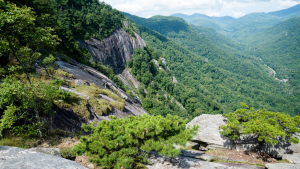
UNESCO Global Geoparks consist of internationally significant geology, biodiversity, and culture in a single area. Balancing these three elements is essential, as each contributes to the identity, sustainability, and prosperity of a geopark.
Geological Heritage: The Foundation
Geology forms the backbone of a geopark. Rocks, fossils, and landforms reveal Earth’s history, shaping the very ground where life and human culture developed. Protecting geological heritage means safeguarding the story of our planet, knowledge that is vital for science, education, and inspiring sustainable futures.
Biodiversity: Life on the Landscape

Yet, geology cannot stand alone. Soil composition, water systems, and landforms created by geological processes directly support ecosystems. Forests, coral reefs, and wetlands all depend on their geological base. If the geological environment is degraded through mining, deforestation, or pollution, biodiversity suffers. Protecting biodiversity ensures ecosystems remain healthy, resilient, and capable of supporting both wildlife and people.
Cultural Heritage: Human Connection to Nature
Cultural traditions are rooted in both geology and biodiversity. Communities build livelihoods from the land and sea, develop local wisdom to manage natural resources, and create rituals that honor their environment. These practices form cultural heritage that enriches the identity of a geopark. Ignoring culture risks losing valuable knowledge and weakening community engagement in conservation.
Why Integration Matters
Separating geology, biodiversity, and culture creates gaps in protection and weakens sustainability. But when integrated: Geology explains the foundation, Biodiversity thrives on that foundation, and Culture connects people to both. Together, they provide a holistic approach to conservation and sustainable development. Integration encourages education, eco-tourism, and local participation while ensuring that the geopark remains a vibrant, living landscape.
A Path Forward
The strength of a geopark lies in its ability to unite science, nature, and people. By balancing geological heritage with biodiversity and cultural heritage, geoparks become more than protected areas, they become models of sustainability, where the past, present, and future are interconnected for the benefit of all.