What is Geopark |
||
|
UNESCO Global Geoparks are single, unified geographical areas where sites and landscapes of international geological significance are managed with a holistic concept of protection, education and sustainable development. A UNESCO Global Geopark uses its geological heritage, in connection with all other aspects of the area’s natural and cultural heritage, to enhance awareness and understanding of key issues facing society, such as using our earth’s resources sustainably, mitigating the effects of climate change and reducing natural disasters-related risks. By raising awareness of the importance of the area’s geological heritage in history and society today, UNESCO Global Geoparks give local people a sense of pride in their region and strengthen their identification with the area. The creation of innovative local enterprises, new jobs and high quality training courses is stimulated as new sources of revenue are generated through geotourism, while the geological resources of the area are protected. |
||
Three Pillars of GeoparksConservation Conservation in geoparks goes beyond protecting landscapes, it includes safeguarding biodiversity, geological features, and cultural heritage. A geopark ensures that the use of natural resources is carefully managed to avoid overexploitation, while still allowing people to benefit from its value. Conservation also embraces local wisdom and traditional practices that support sustainable living. By protecting both land and sea, geoparks maintain the balance between humans and nature, ensuring that future generations can enjoy and learn from this heritage. |
||
|
Education Education is a central mission of every geopark, turning the entire area into a living classroom. Schools, universities, communities, and visitors are engaged in interactive learning about geology, ecology, history, and culture. Through workshops, field trips, and hands-on experiences, geoparks inspire curiosity and awareness about earth sciences and sustainability. Education also teaches about global challenges such as climate change and disaster preparedness, empowering local communities and young generations to take responsibility for protecting their environment and cultural identity. |
||
|
Sustainable Development Sustainable development in geoparks ensures that people and nature thrive together. Local communities are encouraged to develop eco-friendly businesses, geotourism initiatives, and creative industries based on traditional knowledge and modern innovation. This approach creates jobs, strengthens the local economy, and reduces reliance on exploitative practices. By promoting green practices and fair opportunities, geoparks help build inclusive and resilient communities. Sustainable development in geoparks demonstrates that economic growth can happen in harmony with nature and cultural preservation, supporting long-term prosperity. |
||
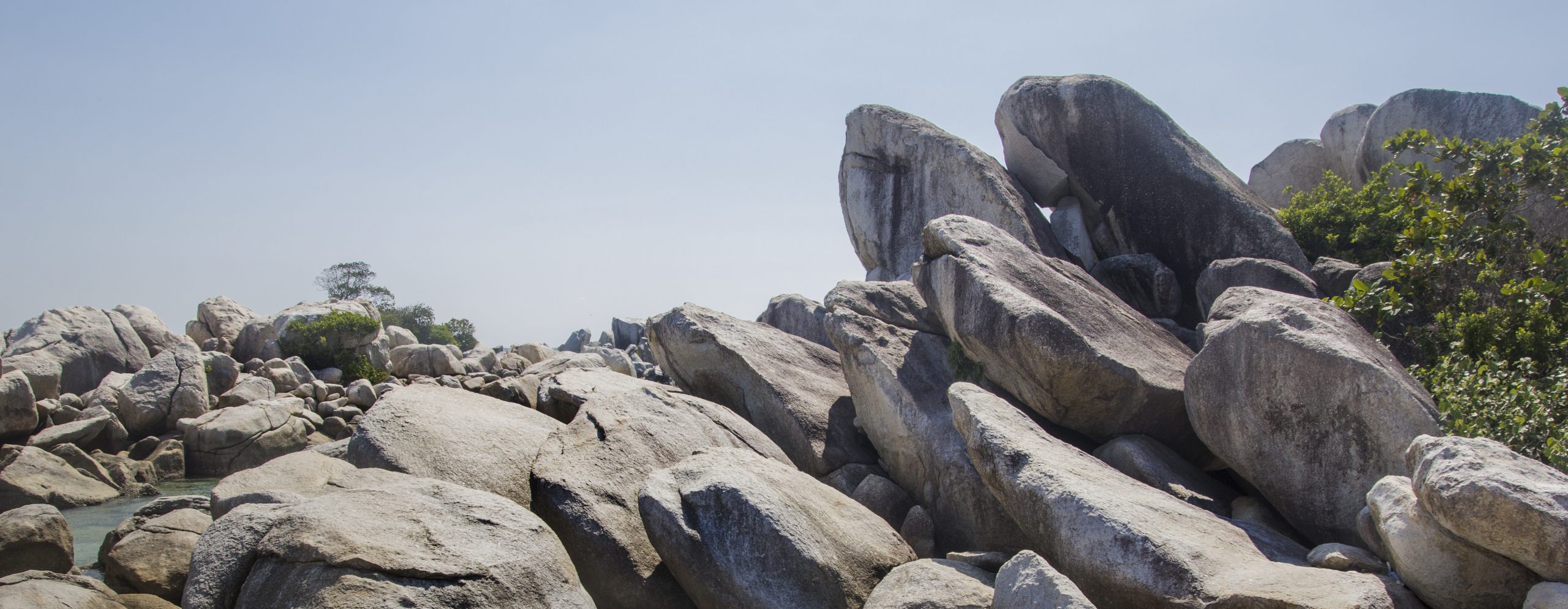
Geoparks Heritage Geological Heritage Geodiversity is the variety of rocks, minerals, fossils, soils, and landscapes that tell the story of Earth’s history. In UNESCO Global Geoparks, geodiversity forms the foundation of identity, showcasing how the planet has evolved over millions of years. From volcanic formations to unique coastlines, each site demonstrates geological processes that shaped life and the environment. Geoparks protect these natural treasures while making them accessible for education, research, and tourism. By highlighting geodiversity, geoparks not only preserve Earth’s memory but also inspire people to value and protect the ground beneath their feet.
Biological Heritage Biodiversity in geoparks reflects the interconnection between living organisms and the landscapes they inhabit. Unique ecosystems flourish in diverse geological settings, supporting plants, animals, and microorganisms that contribute to global ecological balance. UNESCO Global Geoparks protect biodiversity by promoting conservation practices that safeguard habitats both on land and at sea. Biodiversity also sustains local communities by providing food, medicine, and livelihood opportunities. Through education and ecotourism, geoparks encourage people to appreciate the richness of life and understand the importance of maintaining a healthy environment where humans and nature coexist in harmony.
Cultural Heritage Cultural heritage in geoparks highlights the deep connection between people and their landscapes. Communities have shaped and been shaped by their environment through traditions, folklore, art, and sustainable practices. UNESCO Global Geoparks celebrate this cultural diversity, from ancient rituals and architectural heritage to crafts and culinary traditions. By integrating local culture into conservation and tourism, geoparks empower communities to maintain their identity while sharing it with the world. This dynamic relationship between geology, biodiversity, and culture demonstrates that geoparks are not only about nature, but also about people’s stories and living heritage.
|
||
|
|
||
| About Belitong Geopark
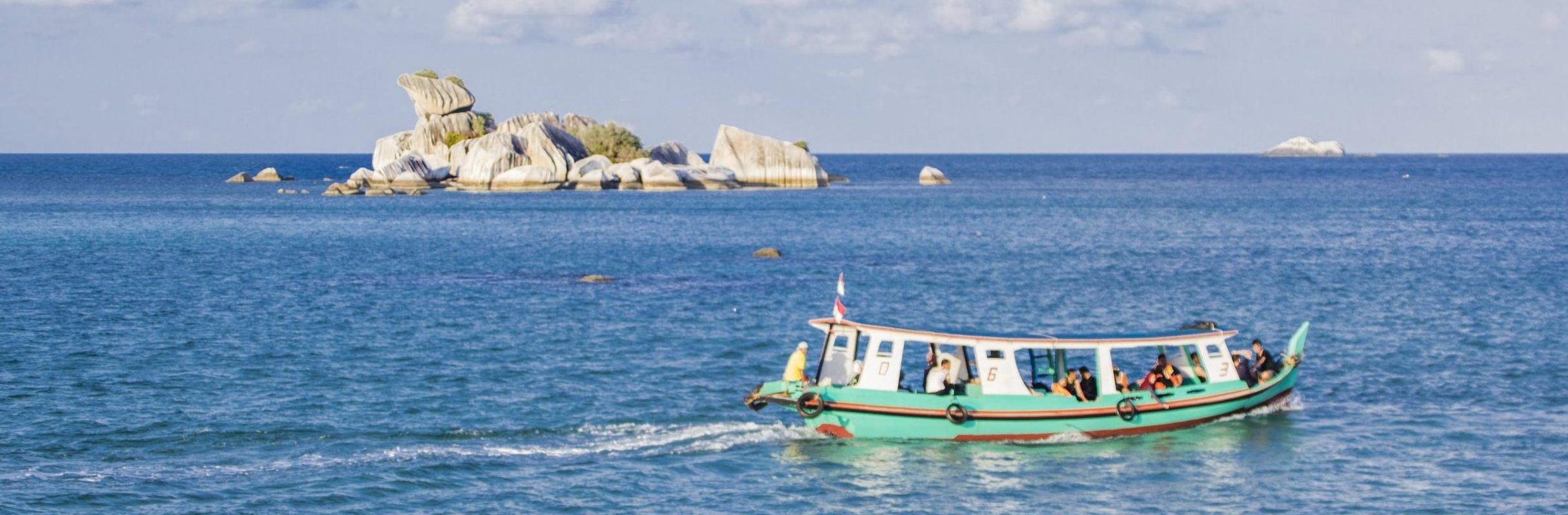
Covering an area of around 4,800 km² of land and 13,000 km² of sea, Belitong Geopark is dotted with 241 small islands, including Mendanau, Kalimambang, Gresik, Seliu, Memporang, and others. Its tropical climate, coastal beauty, and diverse landscapes make it a remarkable natural area. Geology and Landscape The land consists of lowlands and hills, with the highest point reaching 510 meters above sea level in the central region. The Burung Mandicule cluster, at 415 masl, is among its prominent hills. The geopark’s geology reflects millions of years of Earth’s history, from granite formations in Tanjungpandan, metasedimentary rocks of the Kelapakampit Formation, to Jurassic adamelite in the Baginde Rocks. People and Culture As of the year of 2022, Belitong Island is home to about 324.240 people. The majority live in Tanjungpandan, while Selat Nasik has the lowest population density. Six religions are practiced here, reflecting rich cultural diversity. Most residents work in agriculture (such as white pepper, coconut, and oil palm), fisheries, and tin mining, which has long supported the local economy. Many villages are coastal, making fishing a vital livelihood. Belitong Geopark unites this geological, cultural, and natural wealth into one sustainable destination, offering both global significance and local pride.
|
||